-


Friendships that feel like grand romances
Sometimes the most soulmate energy you feel is not with a partner, but with your group chat. The ones who send you selfies in bad…
-
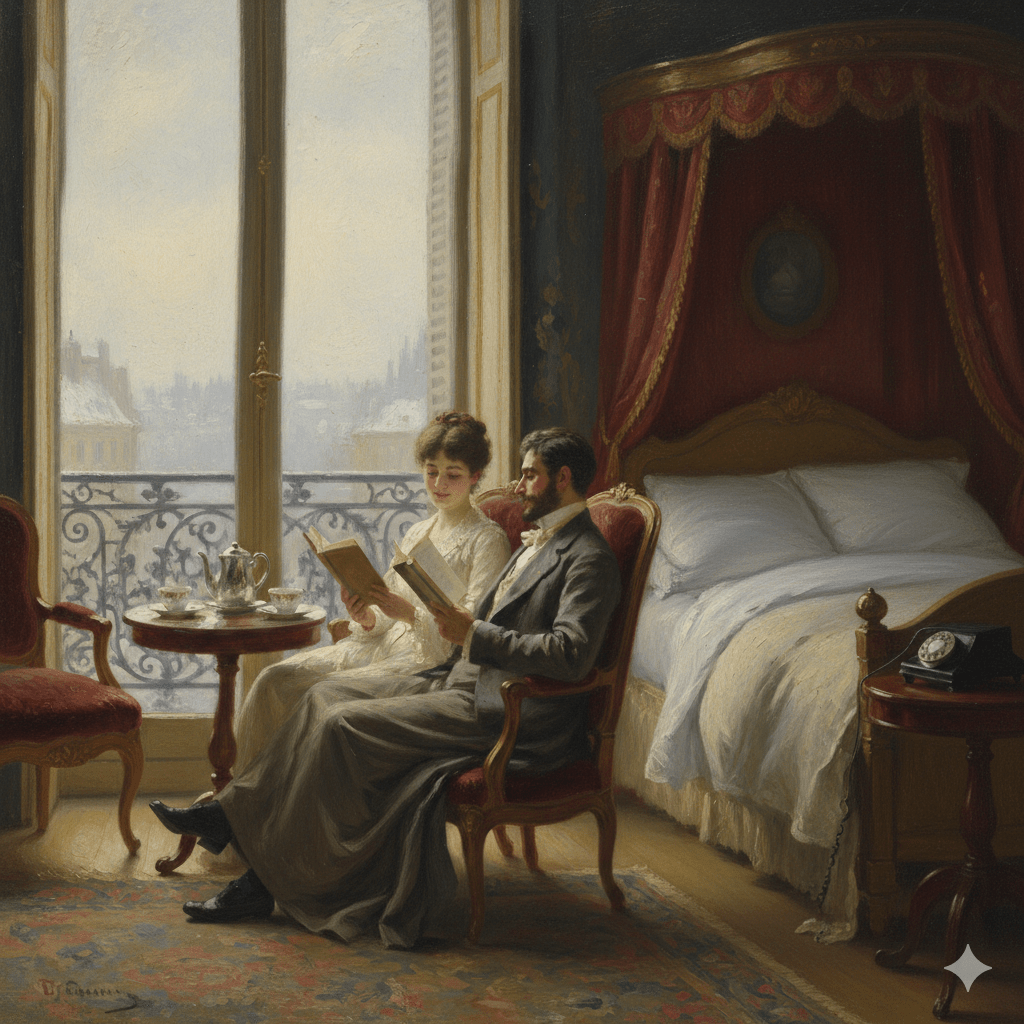

The Quiet Luxury
Read more: The Quiet LuxuryIn a world that worships at the altar of productivity, “doing nothing” can feel like a radical act—perhaps even a guilty one. We are conditioned…
For heritage, myth, and the stories that endure.
Cultural Memory explores the threads that link generations.
It centers oral tradition, symbolism, ritual, and the lived histories of African and diasporic communities, treating them as technologies of remembrance.
This pillar reveals how memory shapes identity, how heritage influences creativity, and how recovering lost or hidden histories strengthens our collective imagination.
It affirms that the past is not static — it is active material for building tomorrow.
For speculation, vision-making, and Afrofuturist thought.
Future Imagined is where possibility takes form.
It invites writers and thinkers to explore alternative worlds, reinterpret the present through speculative lenses, and consider futures shaped by justice, creativity, and cultural continuity.
Grounded in Afrofuturist philosophy, this pillar embraces non-linear time, visionary design, and re-enchantment — opening pathways to futures that expand, rather than constrain, human potential.
For power, ethics, and the structures we build.
Human Systems looks at the frameworks — political, technological, social, and economic — that influence daily life and collective futures.
It examines how new technologies challenge old assumptions, how governance adapts to rapid change, and how communities resist or reshape structures that no longer serve them.
This pillar encourages a critical yet imaginative view of progress: not as inevitable, but as a system humans actively design.
For cities, movement, and the geographies of belonging.
Urban Cosmos views cities as dynamic ecosystems shaped by culture, migration, infrastructure, and aspiration.
It explores how urban spaces carry memory, how diasporic communities create belonging across distance, and how Afrofuturist ideas can inspire new forms of architecture, mobility, and communal life.
This pillar treats the city as both a physical place and an imaginative realm — where new futures are continuously rehearsed.
For short reflections, emerging ideas, and cultural pulses.
Signals captures the quick movements of the world — brief insights, news fragments, experiments, innovations, and cultural shifts.
It functions as Sankofa’s “early-warning system,” gathering the small sparks that often precede larger transformations.
This pillar is agile, observational, and continuously updating, offering a living snapshot of the ideas shaping life on Earth and beyond.
 getswayed